Please fill out the form below to request a quote or to request more information about us. please be as detailed as possible in your message, and we will get back to you as soon as possible with a response. we're ready to start working on your new project, contact us now to get started.
Navigating the World of Silicone Feeding Sets: What Parents Need to Know
2026-09-14
Dongguan Hongmai
42
When selecting a silicone feeding set, parents should prioritize safety, durability, and ease of cleaning. High-quality silicone products are known for their softness and resistance to heat, making them ideal for frequent use. However, it's crucial to identify genuine manufacturers and check for safety certifications, such as BPA-free and CE standards. Additionally, the size should fit the baby's needs, ensuring comfort and preventing discomfort.
Comparing Silicone Feeding Sets with Other Materials
Silicone feeding sets differ from other materials like plastic, rubber, and glass in several ways. While silicone is BPA-free and non-toxic, it lacks the hypoallergenic properties of some plastics. However, it maintains better temperature control, which is essential for boiling water bottles. Parents might prefer silicone for its durability and resistance to indentation, though it may require more care compared to other materials.
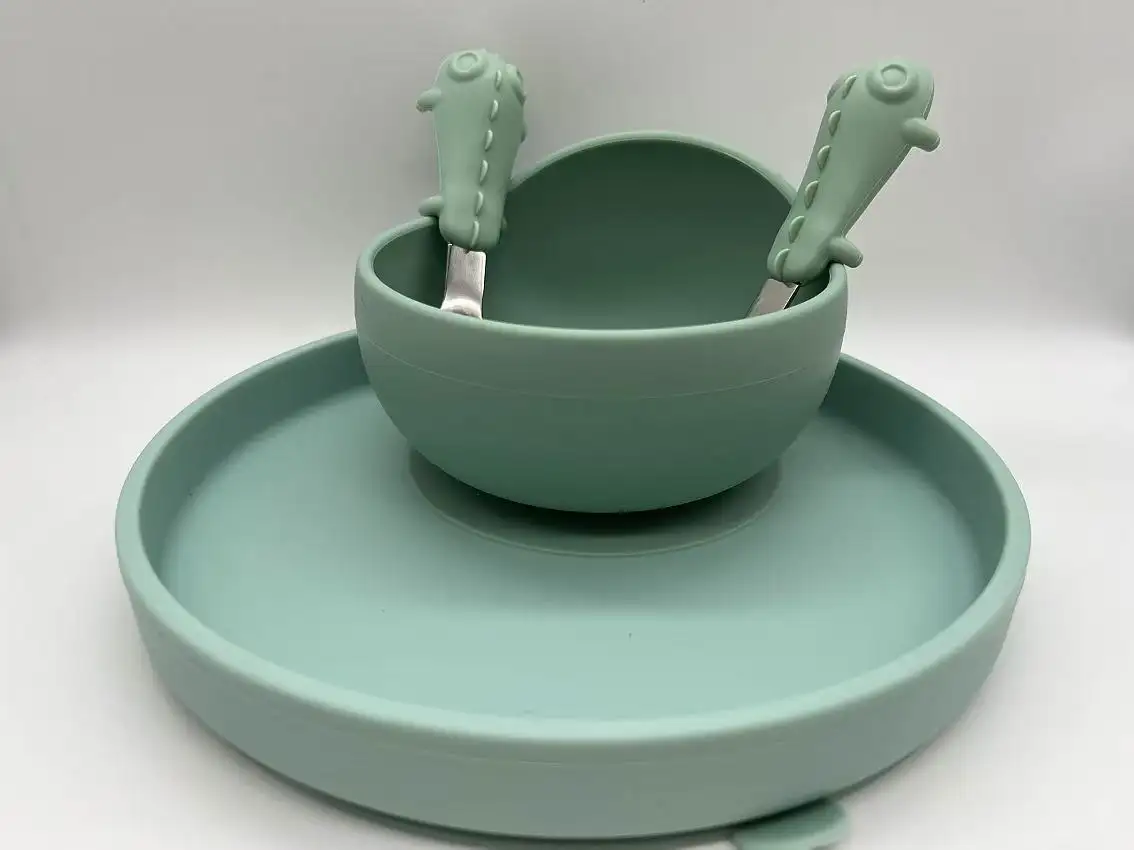
Safety Aspects: Ensuring the Well-being of Your Baby
Safety is paramount when choosing feeding products. Parents should look for certifications ensuring BPA-free and CPSIA-compliant materials. Some silicone products have been linked to BPA exposure, so it's essential to verify manufacturer claims. Proper storage and avoiding direct sunlight can help maintain product integrity. Parents should also be informed about the risks of using non-compliant products, which may pose health risks.
Cleaning and Maintenance Tips for Silicone Feeding Sets
Cleaning silicone feeding sets requires specific care to retain their qualities. Warm soaps or water can be used, and gently scrubbing with a soft brush is advisable. For deeper cleaning, boiling water with vinegar helps remove tough spots. Repeating the cleaning process ensures no residues remain, maintaining the product's safety and efficacy.
Benefits and Usage Scenarios of Silicone Feeding Sets
Silicone feeding sets are versatile, suitable for travel, different milk types, and baby meals. They offer a comfortable surface for infants, making them ideal for bottle feeding, expressing milk, or nursing. Their reusable nature reduces waste, making them eco-friendly and cost-effective in the long run.
Expert Opinions and User Reviews
Pediatricians and lactation consultants often endorse silicone feeding sets for their safety and effectiveness. Reviews highlight their ability to maintain oral cleanliness and prevent contamination. Parents have reported fewer teething issues and improved oral health, attesting to their benefits. These expert endorsements and positive reviews provide reassurance for parents considering this option.
Addressing Common Concerns and Myths
Silicone feeding sets are often misunderstood. Many parents worry about health risks or long-term use. Dispelling myths, such as the risk of BPA exposure, shows that proper selection and care mitigate these concerns. Silicone offers convenience, durability, and safety, making it a wise choice for parents.
Making an Informed Decision
Navigating the world of silicone feeding sets requires careful consideration of safety, quality, and personal needs. By evaluating materials, cleaning practices, and usage scenarios, parents can make informed decisions that enhance their child's well-being. Silicone feeding sets provide a reliable and versatile solution, ensuring a hygienic and comfortable feeding experience that benefits both parent and child.
This comprehensive guide helps parents make the best choice for their baby's feeding needs, ensuring a safe and enjoyable experience.
Table of Contents
GET IN TOUCH WITH Us
recommended articles
British customers visited the factory, communicated their purchasing intentions, discussed in detail the details of new product development, and reached an agreement. Discuss in detail the usage scenarios and methods that we hope the new production capacity can achieve, and we hope to optimize the product's appearance design. We also gave each response on the spot, and the customer expressed great satisfaction and looked forward to the results
Contact: Zhang hui fang
Tel: +86-13509809097
Email: 675990589@qq.com
Address: Room 201, Building 6, 123 Junfa Third Road, Dongkeng Town, Dongguan, Guangdong, China
Copyright © 2026 Dongguan Hongmai Industrial Co., Ltd. |Sitemap| Privacy Policy